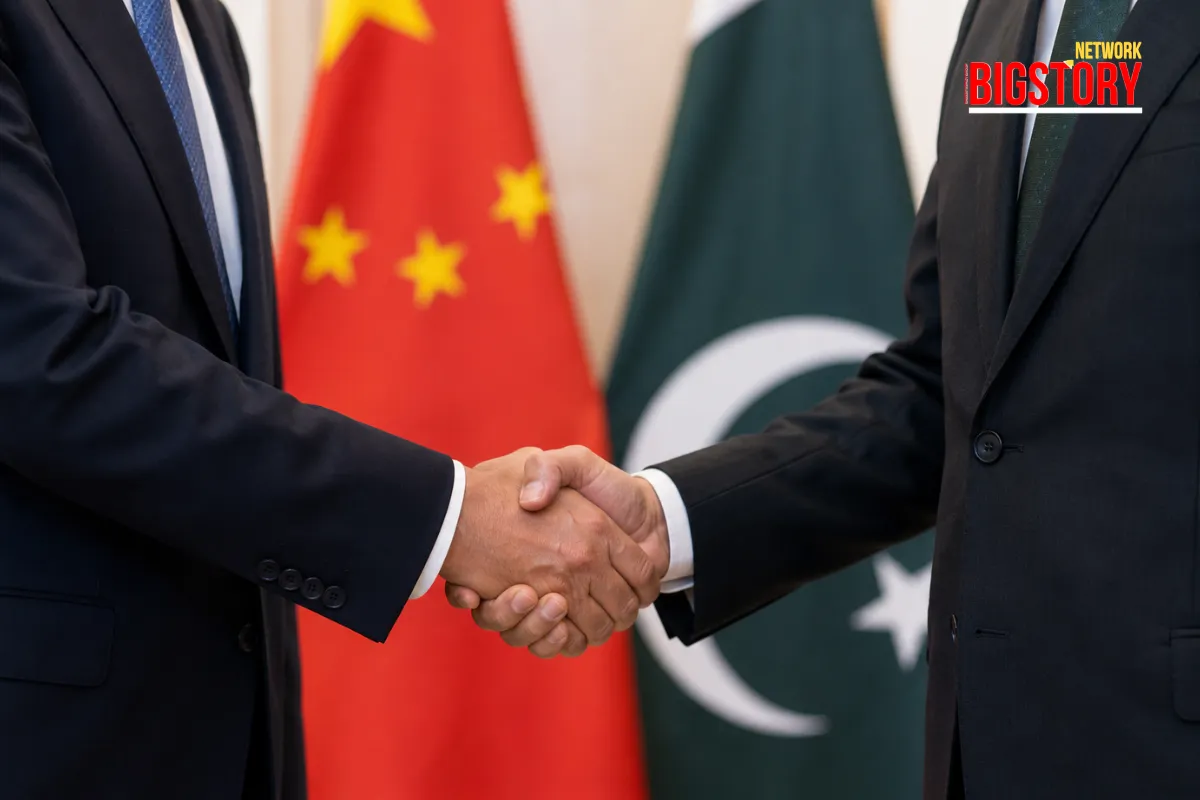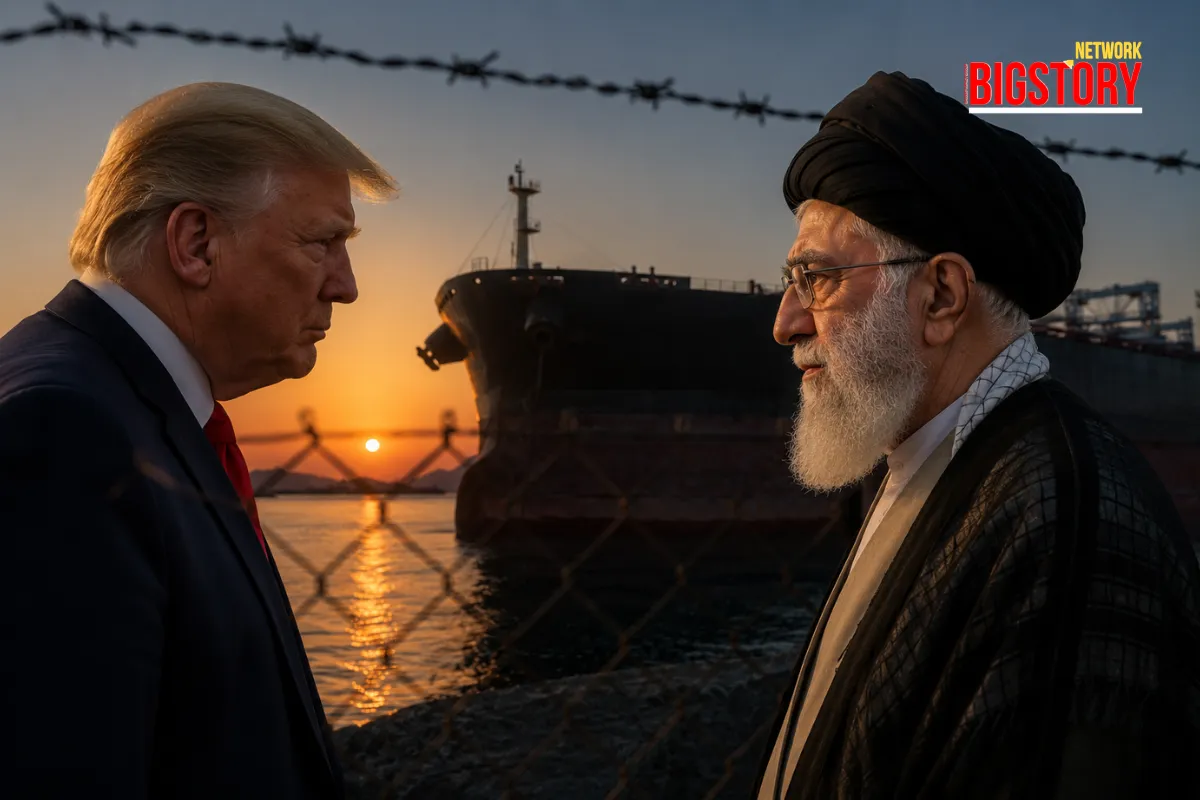
As the global economy suffocates under the Strait of Hormuz blockade, Washington and Tehran edge toward a fragile, staggered peace agreement—but a final deal remains elusive.
 Sseema Giill
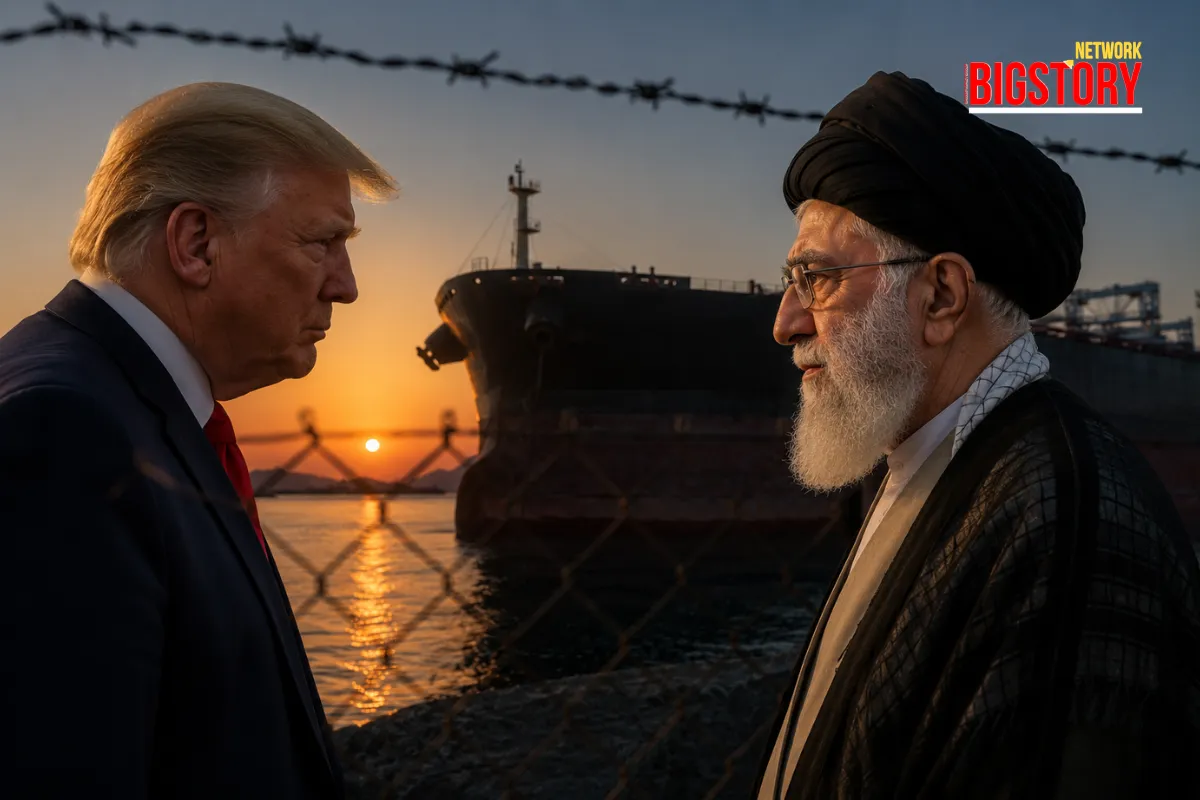
• What happened: Following intense back-channel negotiations mediated by Pakistan, Iran confirmed significant progress on a potential 14-point memorandum of understanding (MoU) with the United States.
• Why it matters: The current framework focuses strictly on ending the naval blockade and reopening the Strait of Hormuz, deliberately deferring the highly contentious issue of Iran's nuclear program to a later 60-day negotiation window.
• The strategic play: This phased compromise allows the US to quickly unchoke global oil and fertilizer supply chains without officially surrendering its nuclear demands, while Iran secures immediate economic relief.
• India's stake: A rapid reopening of the Strait of Hormuz is the absolute highest macroeconomic priority for New Delhi to halt the soaring energy import costs currently draining India's foreign exchange reserves.
• The deciding question: Will aggressive lobbying from Israeli Prime Minister Benjamin Netanyahu succeed in derailing the fragile US-Iran negotiations before the initial MoU can be signed?
The diplomatic tightrope between Washington and Tehran continues to sway. Following intense back-channel negotiations mediated by Pakistan, Iran officially confirmed on Monday that significant progress has been made on a potential 14-point memorandum of understanding (MoU) with the United States. However, Tehran was quick to temper global market expectations, explicitly stating that a final peace agreement is not imminent.
Iranian Foreign Ministry spokesperson Esmaeil Baghaei briefed the media in Tehran, confirming that "conclusions have been reached on many topics" within the proposed framework. The current draft focuses heavily on formally ending active kinetic hostilities, lifting the US naval blockade on Iranian ports, and ensuring safe maritime transit through the critical Strait of Hormuz.
Despite this progress, both sides remain locked in final-stage friction. US President Donald Trump has publicly stated he instructed his negotiators "not to rush into a deal," claiming that time is on America's side. To manage domestic optics, Tehran has also clarified there are currently no plans for an official Iranian delegation to visit Pakistan, nor for Pakistani mediators to travel to Tehran for face-to-face finalizations.
The most critical friction point of the conflict—Iran's nuclear program—is being deliberately sidelined to secure immediate economic and logistical relief.
Baghaei made it definitively clear that Iran is strictly negotiating an end to the active war and is not making any nuclear-related commitments in this initial draft. If the MoU is finalized, the agreement will launch a separate 60-day window specifically dedicated to negotiating the nuclear issue.
Tehran also used the briefing to issue a direct warning regarding third-party interference. Referencing recent high-level communications between US President Trump and Israeli Prime Minister Benjamin Netanyahu, Baghaei accused Israel of actively trying to derail the diplomatic process. "The Zionist entities are doing their best to undermine the agreement," he stated, reflecting Iran's concern that allied lobbying could alter Washington's negotiating posture at the eleventh hour.
Mainstream coverage is treating the nuclear delay as a diplomatic failure, but the "Missed Angle" here is the exact political calculus forcing this staggered agreement.
The US administration is facing massive pressure from Republican hawks who view any deal as a capitulation if it does not immediately dismantle Iran's nuclear capabilities. However, the global economy—and by extension, the US consumer market—cannot survive a prolonged closure of the Strait of Hormuz.
By splitting the deal into phases, the US is executing a strategic maneuver. It is attempting to instantly unchoke global oil and fertilizer supply chains by securing the Strait immediately, while pushing the nuclear standoff to a later 60-day window so it does not appear to be surrendering its core security demands.
Conversely, Iran views this phased approach as a massive geopolitical victory. Tehran secures immediate sanctions relief and the unfreezing of billions of dollars in assets to stabilize its economy, all while retaining its nuclear infrastructure as vital leverage for future talks.
• Energy Markets: The confirmation of progress is likely to trigger a short-term cooling of global crude oil prices, providing a much-needed breathing room for energy-importing nations like India.
• Shipping Resilience: A finalized MoU would immediately lower insurance premiums for commercial vessels operating in the Middle East, reducing the downstream logistical costs of global consumer goods.
• The 60-Day Clock: If the initial MoU is signed, global markets will immediately begin bracing for the expiration of the 60-day nuclear negotiation window, knowing that a failure to reach a secondary agreement could plunge the region right back into active conflict.
If a phased peace deal is the only way to save the global economy from an inflationary spiral, who blinks first when the 60-day nuclear countdown begins?
• The Hindu: International Relations and Global Diplomacy News
• The Economic Times: Global Oil Markets and Macroeconomic Impact
• Al Jazeera English: Middle East Geopolitics and Iran Updates
 Exclusive Content





Sign up for the Daily newsletter to get your biggest stories, handpicked for you each day.



 Trending Now! in last 24hrs